ICF
ICF vs. Traditional Poured Walls
Discover why framers, masons and concrete installers should switch to Nudura ICF: faster installation, superior strength, continuous insulation, and major labor & energy savings over traditional poured or block walls.

Written by Danesh
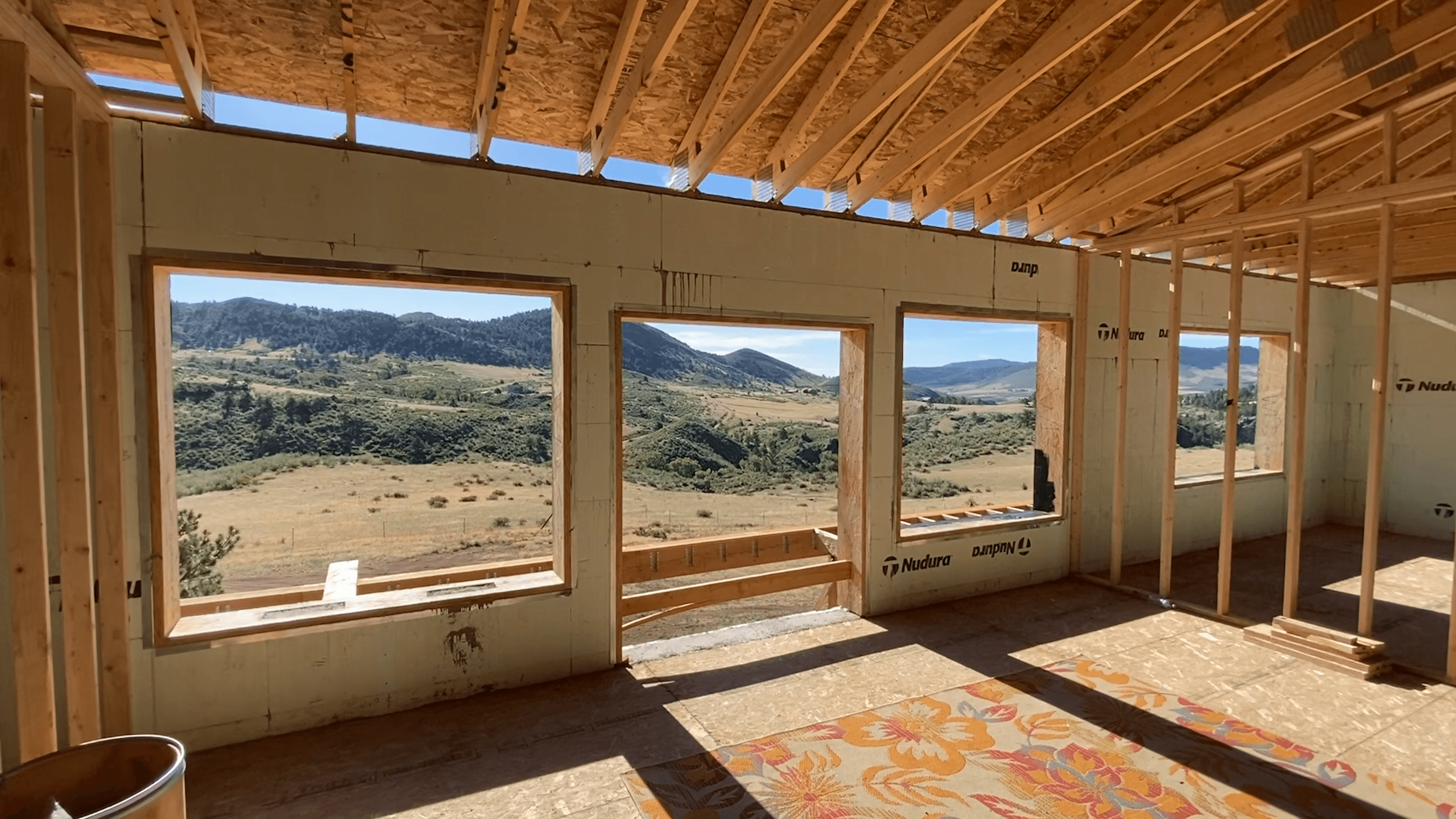
Elevating Your Builds: Why Concrete and Framing Installers Should Switch to Nudura ICF Over Traditional Poured or Block Walls
As a seasoned framer or concrete/masonry installer, you're no stranger to the demands of constructing durable, efficient walls. Traditional cast-in-place poured concrete and concrete block methods have long been staples, offering reliable strength through monolithic pours or modular assembly. However, they come with inherent challenges: labor-intensive formwork, weather-dependent curing, thermal bridging, and escalating energy code requirements. Enter Nudura Insulated Concrete Forms (ICF)—a superior alternative that streamlines your workflow, boosts profitability, and delivers high-performance structures. Here's why making the switch positions you as a forward-thinking contractor in today's market.
From an installation standpoint, Nudura ICF revolutionizes efficiency. Unlike poured concrete, which requires renting, assembling, and stripping reusable forms—often adding days to timelines—Nudura's stay-in-place polystyrene forms eliminate these steps. You stack the interlocking forms like blocks, insert rebar, and pour concrete directly into the cavity, creating a monolithic wall with built-in insulation. This reduces labor by up to 50%, as trades are consolidated: no separate insulation crew needed post-pour. For block walls, which demand meticulous mortar application and alignment, Nudura's pre-engineered forms ensure precise placement with minimal adjustments, cutting installation time significantly. The system's lightweight panels (around 6-8 lbs per sq ft) are easier to handle than heavy blocks or formwork, minimizing crew fatigue and injury risks.
Technically, Nudura ICF outperforms traditional methods in strength and durability. The forms encase a continuous concrete core, yielding compressive strengths up to double that of conventional poured walls—often exceeding 5,000 PSI due to optimal curing conditions. The insulation shields the pour from temperature extremes, allowing hydration in cold weather without costly heating blankets or in hot conditions without rapid moisture loss. Walls resist winds up to 250 mph and fire for 3-4 hours, far surpassing block or uninsulated poured concrete's vulnerability to cracking under seismic or hydrostatic loads. Moreover, Nudura's dual-layer expanded polystyrene (EPS) provides continuous R-values of 23-31, eliminating thermal bridges common in framed or block assemblies. This translates to up to 60% energy savings for end-users, helping you meet stringent codes like LEED or net-zero without add-ons.
Cost-wise, the value is clear. While initial material costs may seem higher, Nudura reduces overall expenses through faster builds, less waste (using 1/3 the concrete of precast), and no form rentals. Foundations stay drier, mitigating moisture intrusion that plagues poured walls, and require less waterproofing. For framing installers transitioning, ICF offers a hybrid appeal: wood-like ease of interior finishing (grooves for utilities) with concrete's longevity, expanding your service offerings.
Switching to Nudura ICF isn't just an upgrade—it's a strategic move. It positions you to win bids on energy-focused projects, enhances client satisfaction with quieter, more resilient builds, and future-proofs your business against rising material and labor costs. With comprehensive training resources from Nudura, the learning curve is minimal. Why stick to outdated methods when Nudura delivers superior results with less hassle? Make the shift and build smarter today.